Reina Park Ueno
Reina Park Ueno
— Essence
幼いころから、私は「なぜ人は生きるのか」をずっと考えていました。
国と国。文化と文化。言葉と言葉。
私はいつも、何かと何かの“隙間”を生きてきた感覚があります。
だからこそ、人が言葉にできない感覚や、小さな変化、その人自身も気づいていない光を感じ取ることが、自然とできるようになったのかもしれません。
私は、誰かに答えを与えるというより、その人の中に眠っている力や美しさを、その人自身が思い出せるよう、そっと光を当てるようなことをしています。
生きる喜びは、言葉ではなく、體に静かに満ちていくものだと感じています。
— Pieces
からだと心を形づくるもの
— Activities
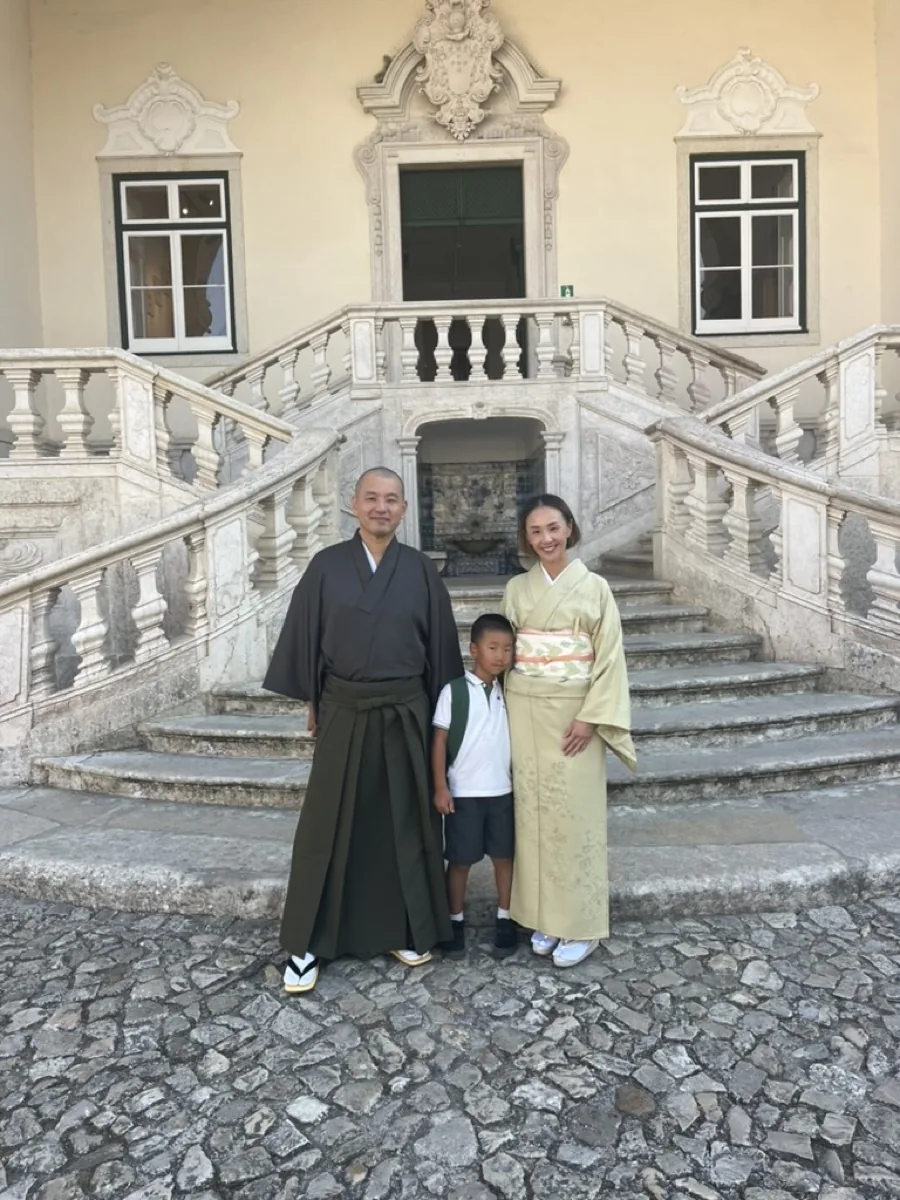
私は日本に生まれ、日本で育ってきましたが、私のルーツは韓国にあります。国籍も韓国で、パスポートも韓国のもの。日本名と韓国名、二つの名前を持っています。
両親は自分たちの文化をとても大切にしていて、日本で暮らしながらも、韓国の言葉や文化を私にしっかりと教えてくれました。一方で、身近にあったはずの日本文化について、私は驚くほど何も知りませんでした。茶道や着物、日本の伝統文化は、自分が気軽に近づいてはいけない、高尚なもののように感じていました。
日本で育ちながらも、日本人の本音と建前がよく理解できず、日本という国を少し苦手に感じていた時期もあります。それでも振り返ってみると、私の感覚や美意識は、間違いなく日本の風景や暮らしの中で育てられてきました。
幼い頃から両親の仕事の関係でたびたびアメリカを訪れ、成長してからはイギリスに留学しました。その後も外資系企業で働き、現在は中東にも会社を持ち、ポルトガルに住居を構え、さまざまな国の人々や価値観に触れながら生活してきました。
私にとって、文化の違いは特別なものというよりも、いつも身近にあるものでした。一つの国や一つの価値観だけを基準にするのではなく、異なる文化の間を行き来しながら物事を見る感覚は、こうした経験の中で自然に育まれてきたのだと思います。
大人になってから、あらためて日本文化を学び始めました。生まれたときから当然のように知っていたわけではなく、後天的に学んだからこそ、一つひとつの所作や考え方に新鮮な驚きがあり、今も強い憧れを持って向き合っています。
私は、国籍や一つの文化だけに自分を限定するのではなく、複数の文化を行き来しながら世界を見る感覚を持っています。だからこそ、日本文化を内側から愛するだけでなく、海外からどのように見られているのか、世界の中でどのような価値や立ち位置を持つのかを、少し距離を置いて客観的に捉えることができます。
日本人にとっては当たり前すぎて見えにくいものが、海外では特別な価値として受け取られることがあります。一方で、日本人が大切にしている形や伝統が、そのままでは海外の人に伝わりにくいこともあります。
内側と外側、その両方の視点を持ちながら、日本文化の本質を損なうことなく、世界に伝わる形へと橋渡ししていく。それが、私だからこそできる役割なのではないかと思っています。
私にとって日本を愛するということは、国籍の話ではありません。日本の美意識や精神性を学び、自分の暮らしの中で大切にしながら、世界へとつないでいくこと。私は、生き方として日本を愛しています。
I was born in Japan and raised in Japan, but my roots are in Korea. My nationality is Korean, my passport is Korean. I carry two names — a Japanese one and a Korean one.
My parents held their own culture close. Even while living in Japan, they made sure I learned the Korean language and Korean ways. Meanwhile, Japanese culture — the thing closest at hand — was something I knew astonishingly little about. Tea ceremony, kimono, the traditional arts: they felt lofty, like something I had no business approaching casually.
Though I grew up in Japan, I never quite understood the distance between what Japanese people say and what they mean, and for a time the country felt difficult to me. And yet, looking back, my senses and my sense of beauty were unmistakably raised by the landscapes and the daily life of Japan.
From early childhood my parents' work took us to America again and again, and later I studied in England. After that I worked for foreign companies; now I also hold a company in the Middle East and have made my home in Portugal, living among people and values from many countries.
For me, cultural difference was never something exceptional — it was simply always close at hand. Rather than measuring everything against one country or one set of values, I came to look at things while moving between cultures. That way of seeing grew naturally out of these experiences.
It was as an adult that I began, properly, to study Japanese culture. Because I did not absorb it as a matter of course from birth — because I learned it later — every gesture and every idea comes with a freshness that still surprises me, and I face it with a longing that has not faded.
I do not confine myself to one nationality or one culture. I move between several, and I see the world from there. That is why I can love Japanese culture from the inside and, at the same time, stand back far enough to see how it is received from abroad — what value it holds, where it stands in the world.
Things too ordinary for Japanese people to notice are sometimes received elsewhere as something rare. And the forms and traditions Japanese people treasure do not always carry across as they are.
To hold both views, inside and outside, and to build a bridge — carrying Japanese culture into a form the world can receive, without losing what it essentially is. I think that may be the role only I can play.
For me, loving Japan is not a matter of nationality. It is learning its sense of beauty and its spirit, keeping them alive in my own daily life, and passing them on to the world. I love Japan as a way of living.
母性が世界を救うと信じている。
全ての人が女性から生まれているからだ。
母性は、女だけが持っているものではない。
赤ちゃんを守りたくなるようなあの気持ち。
みんな自分が赤ちゃんだったときを思って自分を抱きしめられるような気持ちになったら意地悪なことは起きないとおもえる。
I believe motherhood will save the world.
Because every person was born of a woman.
Motherhood is not something only women carry.
That feeling — the one that makes you want to protect a baby.
If everyone could remember being a baby themselves, and come to hold themselves the way they would hold that child, I think cruelty would stop happening.
幼稚園の頃から「私はなんで生まれてきたの?」(こんないやなことばかりさせられるところに産まれて来たくなかったというニュアンス付きで)と何度も両親に聞いていたそうです。
ある日、母が言いました。
「それをあなたが見つけるんだよ」と。5,6歳くらいのことだったと思いますが、ものすごく納得したのを覚えています。
特に思春期の頃は必死でそれを見つけることに躍起になっていた気がします。がむしゃらにがんばってがんばっていたけど、なんども答えはそれじゃないって言われるような気がする出来事が多かったように思います。
ある日、変わった男の人(のちに夫になる人)が言いました。
「あなたは一生懸命生き急いでいるようだけど、僕たちが生きているのは、たまたま誰かに産まれさせられてきて、まだ死んでないからだけなんだよ」
びっくりしました。そして全身の力が抜けるような気がしました。
まだ答えはわからないけど、それがいつか見つかるような気もするし、もし見つからなくてもその道にいること自体がすごくたのしく思えるように気づけばなっている気がします。もう答えを持っているのかもしれない。
From kindergarten on, apparently, I kept asking my parents, “Why was I born?” — with the distinct undertone of I never wanted to be born into a place that makes me do all these unpleasant things.
One day my mother said,
“That is for you to find out.” I must have been five or six, but I remember being completely convinced.
Through my teenage years especially, I threw myself into finding it. I pushed and pushed and pushed, and again and again things happened that felt like being told: that is not the answer.
Then one day a strange man (the one who later became my husband) said,
“You seem to be living in such a hurry — but we are alive only because someone happened to bring us into the world, and we have not died yet.”
I was stunned. And I felt the strength drain out of my whole body.
I still do not know the answer. Sometimes I feel I will find it one day; and even if I never do, somewhere along the way simply being on that road has come to feel like a great pleasure. Perhaps I already hold the answer.
生きてるとときどき「これは起きなくてもよかったんじゃない?」と思うようなことに出くわします。
順調だったはずなのに、突然うまくいかなくなったり。信じていたものが崩れたり。もう十分頑張ったのに、なんで私ばっかり?と思うこともたくさんありました。
そんなときの、魔法の言葉があります。
「いよいよ、おもしろくなってまいりました」
です。
もちろん、ほんとうにおもしろいと思えているわけではありません。できることなら、何事もなく穏やかに過ぎてほしいし、なんなら逃げたい。それでも、人生が思いどおりに進まなくなったとき、あえてこの言葉を唱えています。
これは不幸なのではなく、何かのお題が出されたのかもしれない。目の前に現れる出来事には、きっと何かしらのメッセージがある。その出来事を経て、私は何を手放せればいいのか、何に気づくのか。これまでの考え方や物事の捉え方を、どのように変える必要があるのか。そんなふうに思えてやる気が湧いてくるのです。
問題だけを片づけて、なんとかやりすごして、自分は何も変わらないままでいると、また似たようなお題が出てくるときがあります。まるで、宇宙が「あなた、まだ、ここに気づいていませんよ」と教えてくれるように。
進み方がわからないときは、とにかく気が済む方向に一生懸命進む。人から見て立派かどうかとか、世間の正解に合っているかどうかとか、誰かに納得してもらえるかどうかとかじゃない。自分が納得できる進み方が必ずあるのだと思います。
迷うことも、失敗することも、遠回りすることもあるでしょう。だけど、自分で選び、自分で感じ、自分で引き受けていきたいのです。
私は、小さな宇宙です。大きな宇宙が今も広がり続けているように、私の内側にも、大きな宇宙とつながった、まだ知らない場所が無限に広がっています。人はいつからでも変わることができるし、何度でも新しい自分になれる。
だから、思いがけないお題が目の前に差し出されたときは、
「いよいよ、おもしろくなってまいりました」です!!
ここからまたどんな私に出会えるのだろう、どんな出来事が待っていて、どんな人たちと出会っていくのだろう。そう思いながら、すべてのできごとに「ハイかYES」で向き合っていきたい。
私はいつでも無限大。
Living, you sometimes run into things that make you think: did that really have to happen?
Everything was going well, and then suddenly it wasn't. Something I believed in collapsed. I have often thought — I have worked hard enough already, so why me?
For moments like those, I have magic words.
“Now it is finally getting interesting.”
Of course I do not actually find it interesting. If I could, I would like everything to pass quietly, without incident; honestly, I would like to run away. Even so, when life stops going the way I planned, I say these words on purpose.
Perhaps this is not misfortune. Perhaps I have been handed a question. Whatever appears in front of me surely carries some message. What am I meant to let go of by going through this? What am I meant to notice? How do I need to change the way I have been thinking, the way I have been seeing things? Thinking like that, something in me begins to rise.
If I only clear the problem away, get through it somehow, and stay exactly as I was, a similar question tends to come round again — as though the universe were saying, you still have not noticed this.
When I do not know how to move forward, I move as hard as I can in the direction that settles something in me. Not whether it looks admirable to others, not whether it matches the world's idea of correct, not whether anyone will approve. I believe there is always a way forward that I myself can accept.
There will be hesitation, and failure, and long detours. But I want to choose for myself, feel for myself, and carry it for myself.
I am a small universe. Just as the great universe is still expanding, inside me too there are places I do not yet know, connected to that greater one, spreading endlessly. A person can change at any point, and become someone new any number of times.
So when an unexpected question is placed in front of me:
“Now it is finally getting interesting.”
Who will I meet in myself from here? What is waiting to happen, and who will I meet along the way? Thinking that, I want to meet everything that comes with a yes, and a yes.
I am, always, infinite.
子どもたちと美術館に行くのが大好きだ。
それぞれがどの絵を一番好きだったか。
なぜ、その絵に惹かれたのか。
子どもたちと言い合う時間も大好きだ。
アートに正解はないし、同じ絵を見ても、心に映るものは一人ひとり違う。その絵とその人との間に生まれるものは、その人だけのもの。それは、ときに自分でも気づいていなかった内側を知らせてくれる。
私は、生きている間に見る景色は、あらかじめ与えられた透明で無限のキャンバスに、行動しながら自分だけの色を重ねていくことのように感じてる。
自分でその透明を色に変えていかなければ、どんな絵が生まれるのか、自分自身も見ることはできない。死ぬ時にどんな絵が見れるかはその人だけがわかる。だから生きてる人はみんなアーティストだとおもう。
表現することは、自分の中にあるものを外へ出すこと。
それは、心と身体を健やかに保つための、大切な循環のひとつだと思う。
I love going to museums with my children.
Which painting each of us loved best.
Why that one drew us in.
I love the time we spend arguing it out.
There is no correct answer in art, and even looking at the same painting, what appears in each heart is different. What is born between a painting and a person belongs to that person alone. Sometimes it tells you about an inside of yourself you had not noticed.
I feel that the scenery we see while we are alive is like a transparent, infinite canvas given to us in advance — and that by acting, we lay our own colours onto it.
Unless you turn that transparency into colour yourself, you will never get to see what kind of painting emerges. What you see at the moment of dying is known only to you. So I think everyone who is alive is an artist.
To express is to bring what is inside you out.
I think it is one of the essential circulations that keep the heart and the body well.
澄んだ肌、艶のある髪、白い歯を保つこと。
そして何より大切なのは、瞳を輝かせて生きること。
その輝きは、どんなジュエリーにも勝るもの。
美しくいるための手間を惜しまなければ、人はいつまでもきれいでいられる。
母から口を酸っぱくして言われてきた教えです。
そして私も、娘に伝えられていたらいいなと思います。
Clear skin, hair with lustre, teeth kept white.
And above all, to live with light in your eyes.
That light surpasses any jewellery.
If you do not begrudge the trouble of staying beautiful, a person can stay beautiful for as long as they live.
It is what my mother told me, over and over.
And I hope that I, too, have been passing it on to my daughter.
— Pieces